Overview
The two-day conference brings together the brightest minds in the industry to discuss and explore all about FOSS community, management and compliance. At FOSS Backstage the stage belongs exclusively to the non-technical aspects of Free and Open Source Software. Join us in Berlin, where you’ll connect with community leaders, FOSS practitioners, executives, developers and technologists among many other stakeholders in the field.
Speakers
19 Æva BlackÆva Black, Null Point Studio
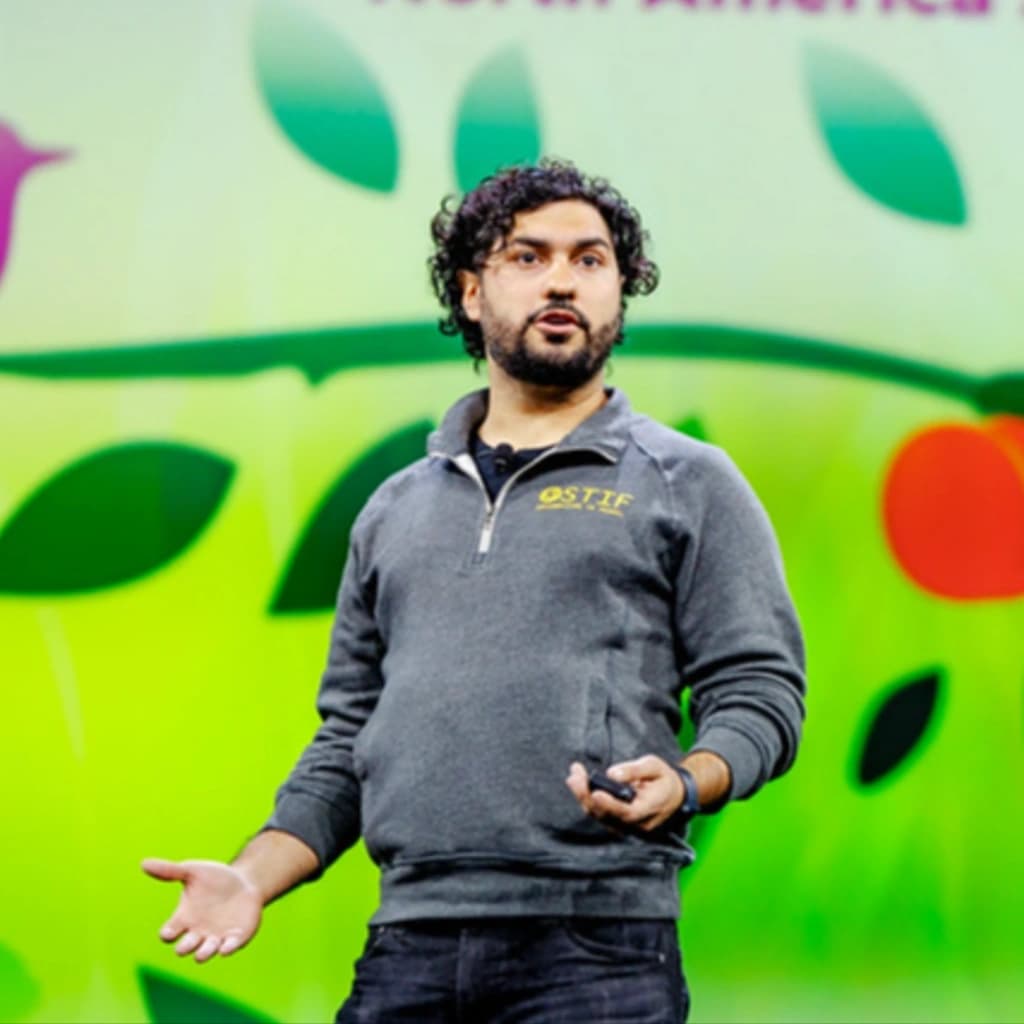 Amir MontazeryAmir Montazery, Open Source Technology Improvement Fund, Inc
 Chan-jo JunChan-jo Jun, JUN Legal GmbH
 Cornelius SchumacherCornelius Schumacher, DB Systel GmbH
 Dr. Wolfgang GehringDr. Wolfgang Gehring, Mercedes-Benz Tech Innovation GmbH
 Elio QoshiElio Qoshi
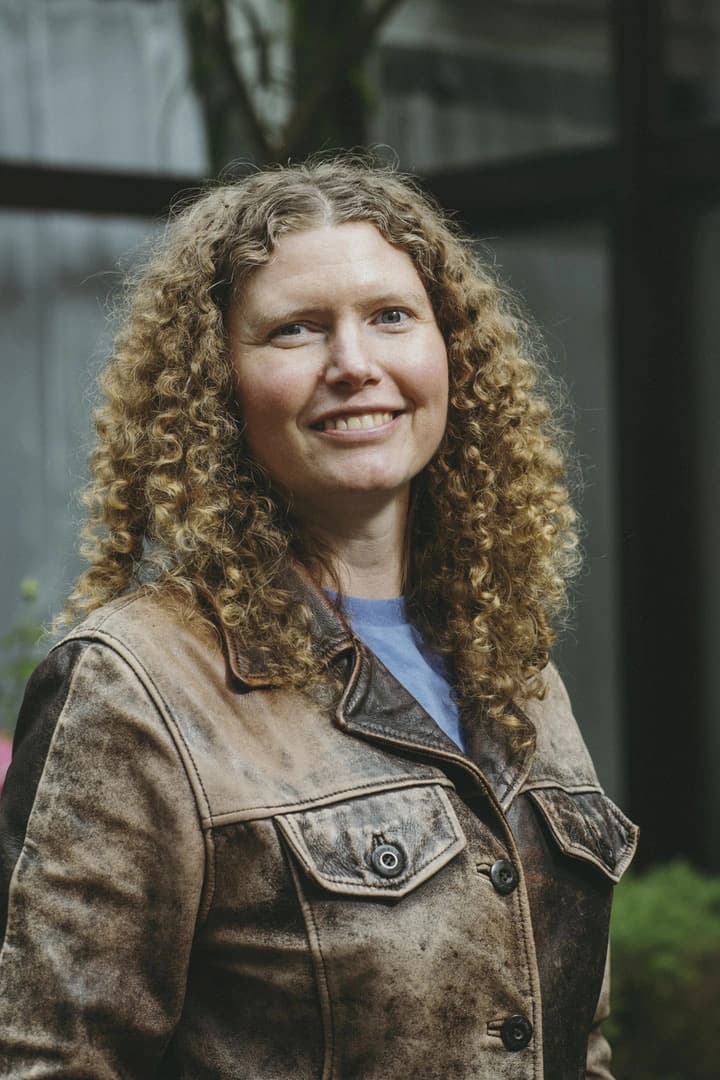 Emily OmierEmily Omier, Emily Omier Consulting / Open Source Founders Summit
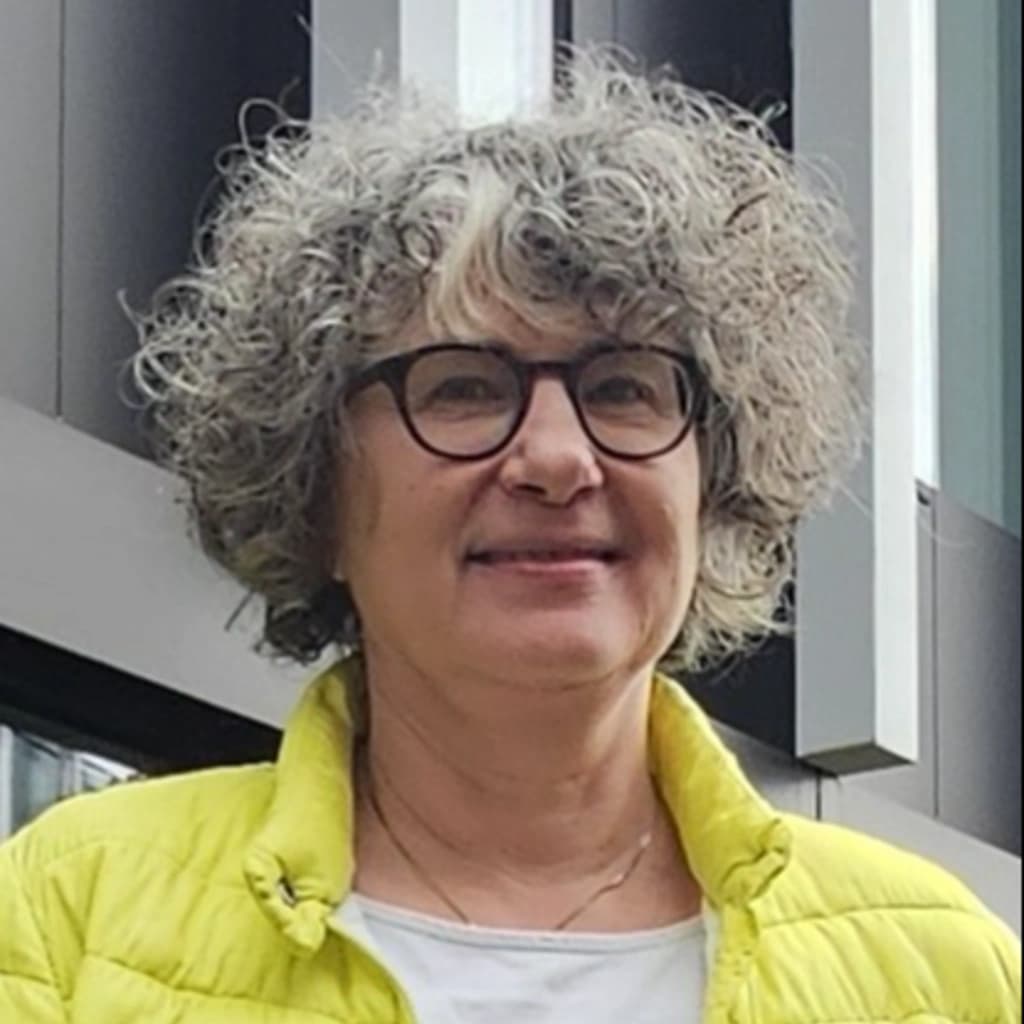 Jutta KreyssJutta Kreyss, City of Munich
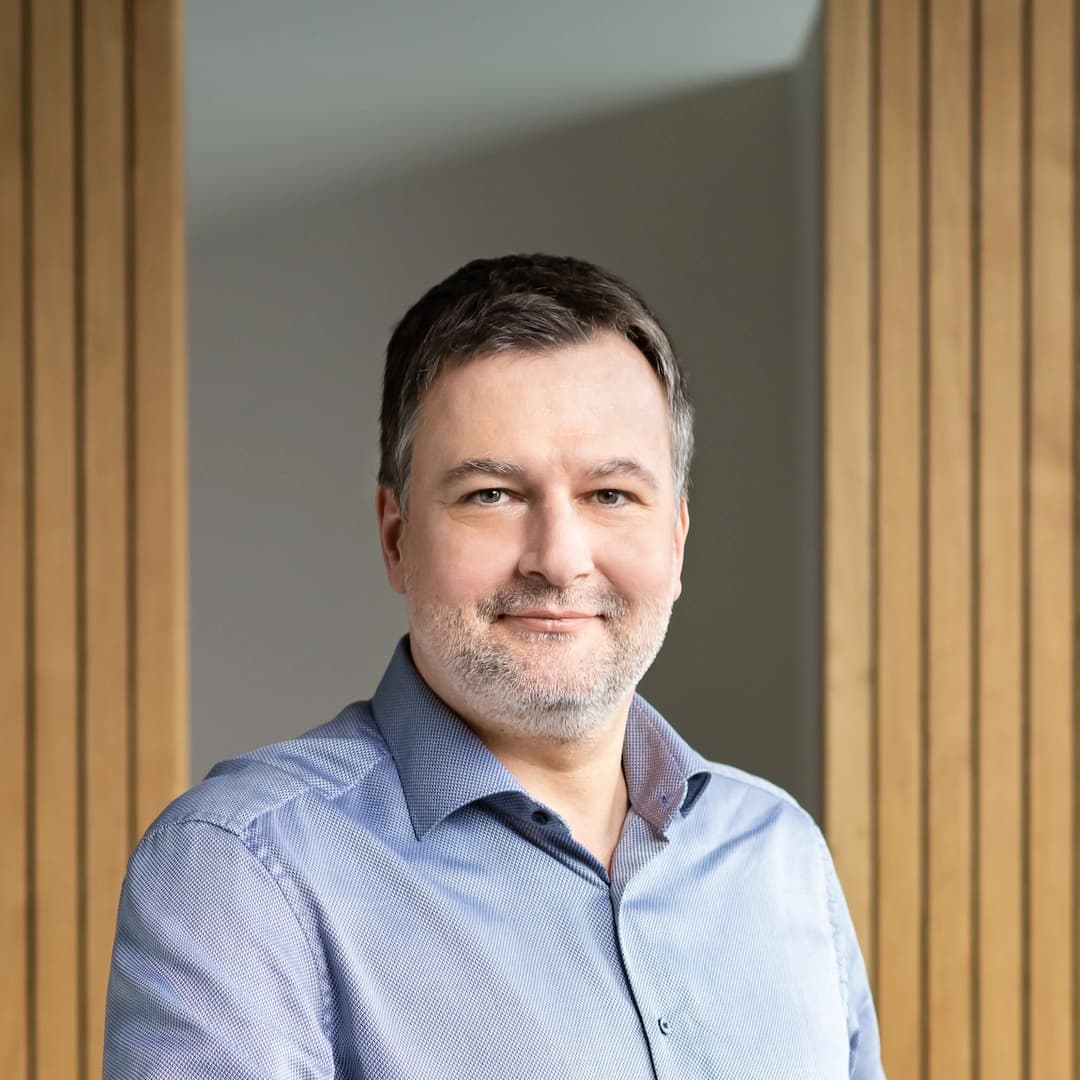 Mirko BoehmMirko Boehm, Linux Foundation Europe
 Nicholas GatesNicholas Gates
 Zainab DaoduZainab Daodu, WriteTech hub
- A Frictionless Inner Source JourneyA Frictionless Inner Source Journey
Show all 19 speakers
- Balancing the Supply Chain ActBalancing the Supply Chain Act
- How open source companies winHow open source companies win
- Identifying and Addressing Usability VulnerabilitiesIdentifying and Addressing Usability Vulnerabilities
- Kanchana WelagedaraApache Software Foundation
- Paloma OliveiraSovereign Tech Agency
- Rich Bowen
- Thomas Steenbergen
Schedule
Can Open Source be Secure by Design?
The tech Industry has relied heavily on Free and Open Source Software for 20 years but under-investing in its security and maintenance has increased global cybersecurity risk. Æva Black will reflect on this history and show how regulations could improve security across the ecosystem.
Does FOSS Buy Sovereignty? Participation vs. Ownership
Policy debates often assume FOSS adoption delivers digital sovereignty. But does it? Sovereignty stems not from license freedoms but from technical capacity and community influence. Active participation in FOSS development—not mere adoption—determines whether nations achieve independence from proprietary lock-in and foreign control.
Success Stories in Open Source: Security Audits with OSTIF
Improved security in open source is more than a theoretical goal but a plausible reality as shown by nonprofit Open Source Technology Improvement Fund, Inc. Following a best practice of independent code review with a process specifically tailored to open source projects and communities, OSTIF is turning funds into positive security outcomes.
Open Source in Local Governments: Lessons from across the EU
Discover how European local governments successfully collaborate on open source solutions. Based on 5 in-depth case studies including Consul Democracy, Digitransit, and Golemio, learn proven governance models, collaboration archetypes, and actionable strategies for scaling sustainable cross-border digital public services.
Identifying and Addressing Usability Vulnerabilities
Security can fail even when code is correct. Drawing on work with SecureDrop, Qubes OS, and Mailvelope, this talk defines “usability vulnerabilities,” design flaws that cause unsafe behavior, and shows how open-source teams can detect and address them before release.
Open-Source Stewards Under the CRA: NPO Pitfalls
The CRA’s Open-Source Software Steward (OSSS) status offers legal recognition and hidden traps for non-profits and volunteer communities. This talk unpacks benefits, duties, liability, and tax effects, helping NPOs use the status safely and avoid accidental burdens.
2.5 Years of STA Bug Resilience: how we helped a lot of FOSS
Between major updates for Log4J, substantially increasing test coverage for SystemD, updating hundreds of CVE reports at NIST for Yocto and providing a new infrastructure-as-code solution for PHP, work on FOSS projects for the Sovereign Tech Agency is as varied as it is impactful. This talk recaps the highlights from that past two and half years.
Beyond the license: measuring real openness in open source
Open source licenses like GPL or MIT matter, but ecosystem is what truly defines how open and sustainable a project is. Open source isn't always as open as it seems! There are many tactics beyond licensing to lock you in - and copyleft isn't always better than permissive, or vice-versa.
Building the Open Alternative: DPGs for Digital Sovereignty
Digital sovereignty is becoming a key objective of societies and nations. Learn how Digital Public Goods (DPG) like Mastodon can build a decentralised internet and challenge big tech. A joint talk by DPGA & Mastodon—we'll unpack the concept, analyse EU policy, and offer concrete strategies for a sovereign digital future.
How open source companies win
We talk about license changes and risk management for open source companies all the time, but what about how open source companies can use their open source project as a competitive advantage to win in their market? That's what this talk is about.
Co-Creating RIECS with Open Source Builders
Open source projects already power citizen science — from mapping air quality to tracking food data. This RIECS-Concept workshop invites developers and community leads to share stories and map what support, tools, and governance are needed to build sustainable, open, and trusted citizen science infrastructures.
How the city of Munich measures digital sovereignty
Due to the changed global political situation, digital sovereignty is a priority goal for every organization. The city of Munich has developed a simple method for measuring digital sovereignty and has derived measures based on this. In our talk, we will present the measurement method, planned measures, and how FOSS can help achieve this goal.
A Frictionless Inner Source Journey
Inner Source success hinges on easy contributions. However, complex frameworks can be a barrier. We simplified our process by removing bureaucratic hurdles, automating compliance, and simplifying project involvement. Discover how to create a frictionless Inner Source experience and unlock your company's collaborative potential!
Secure by Design? Discussion on Voluntary Security Attestations
With this discussion following the Chatham House Rule format, we wish to invite FOSS Backstage attendees to come together to explore how communities could issue risk-based attestations sufficient to reduce downstream compliance burdens in ways that support (rather than burden) open source communities.
Getting Real with the Supply Chain: From SBOM Data to Action
500,000 SBOMs – that’s the scale of Deutsche Bahn’s software supply chain. How do we make sense of this as a small OSPO in a large non-IT organization? Our strategy: turn this data into actionable tasks. We’ll share practical learnings on prioritizing risks, applying sensible automated compliance, and considering ecosystem sustainability.
Narrative Infrastructure: Storytelling to Grow Open Source
Open-source ecosystems run on more than code, they run on story. Beyond commits, shared narratives sustain trust and belonging. At WriteTech Hub, we turned storytelling into infrastructure, every doc review, milestone, and mentor invite reinforced one truth, you belong here, and what you build matters.
Balancing the Supply Chain Act
Corporate users, volunteer maintainers, and everything in between, how can they work together? In this panel, we bring together different voices to explore: What does each side intend, expect, and need? And how can we bridge tensions in today’s open source supply chain?
Plan to fork (So you don’t have to fork)
Writing a detailed plan to fork, as a disaster recovery plan for tomorrow, is a great way to identify places where you sould be investing more deeply in an open source project, today.
Can Open Source be Secure by Design?
The tech Industry has relied heavily on Free and Open Source Software for 20 years but under-investing in its security and maintenance has increased global cybersecurity risk. Æva Black will reflect on this history and show how regulations could improve security across the ecosystem.